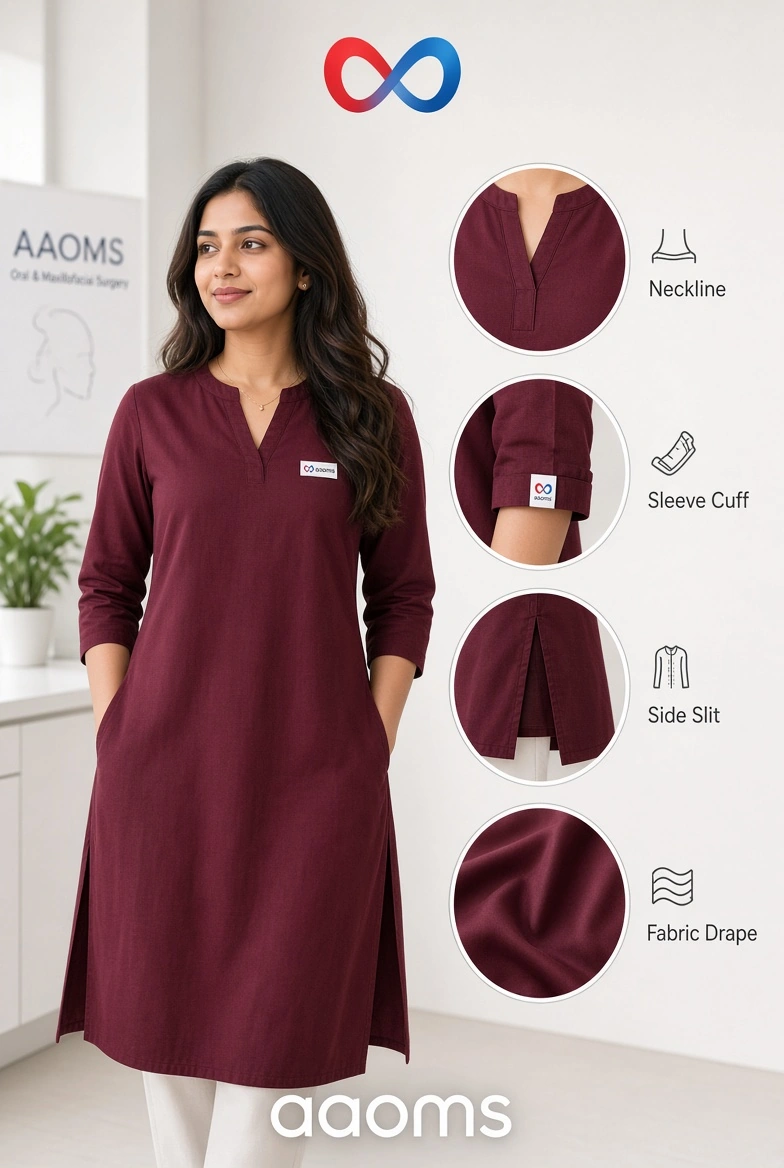
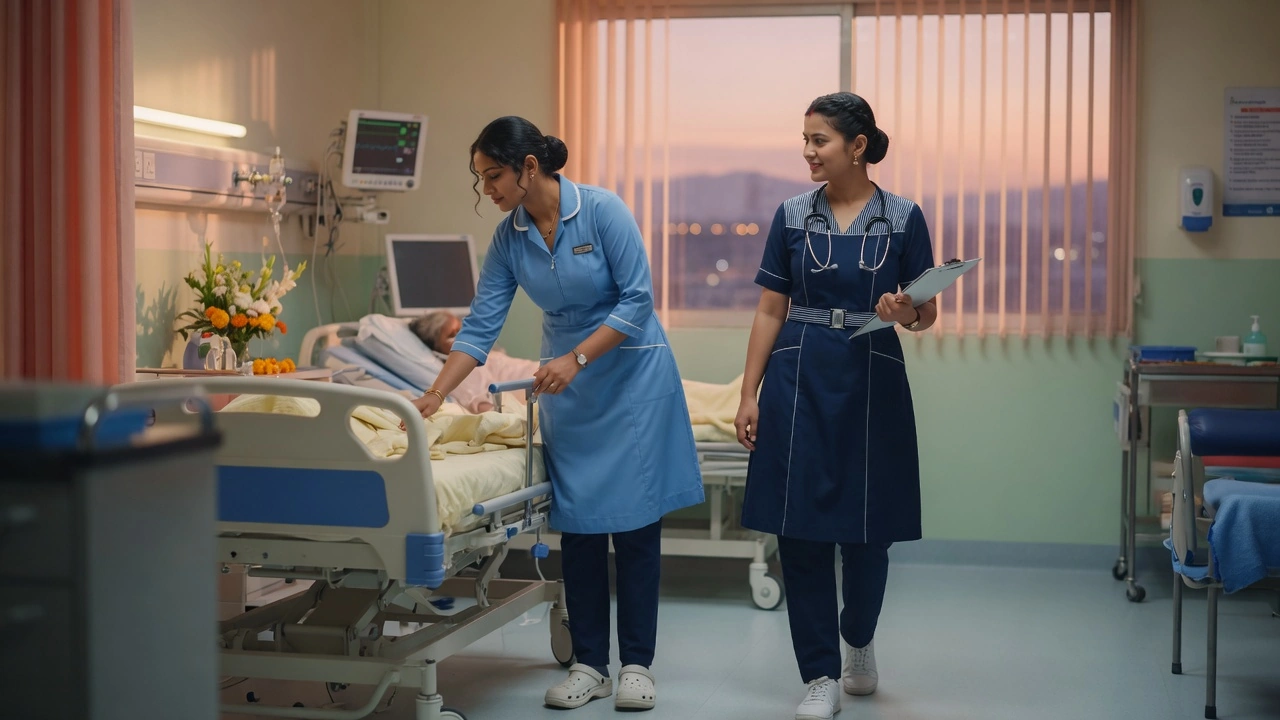
A logo on a uniform has one job: still look intentional after a year of washes. That is where embroidery and print separate.
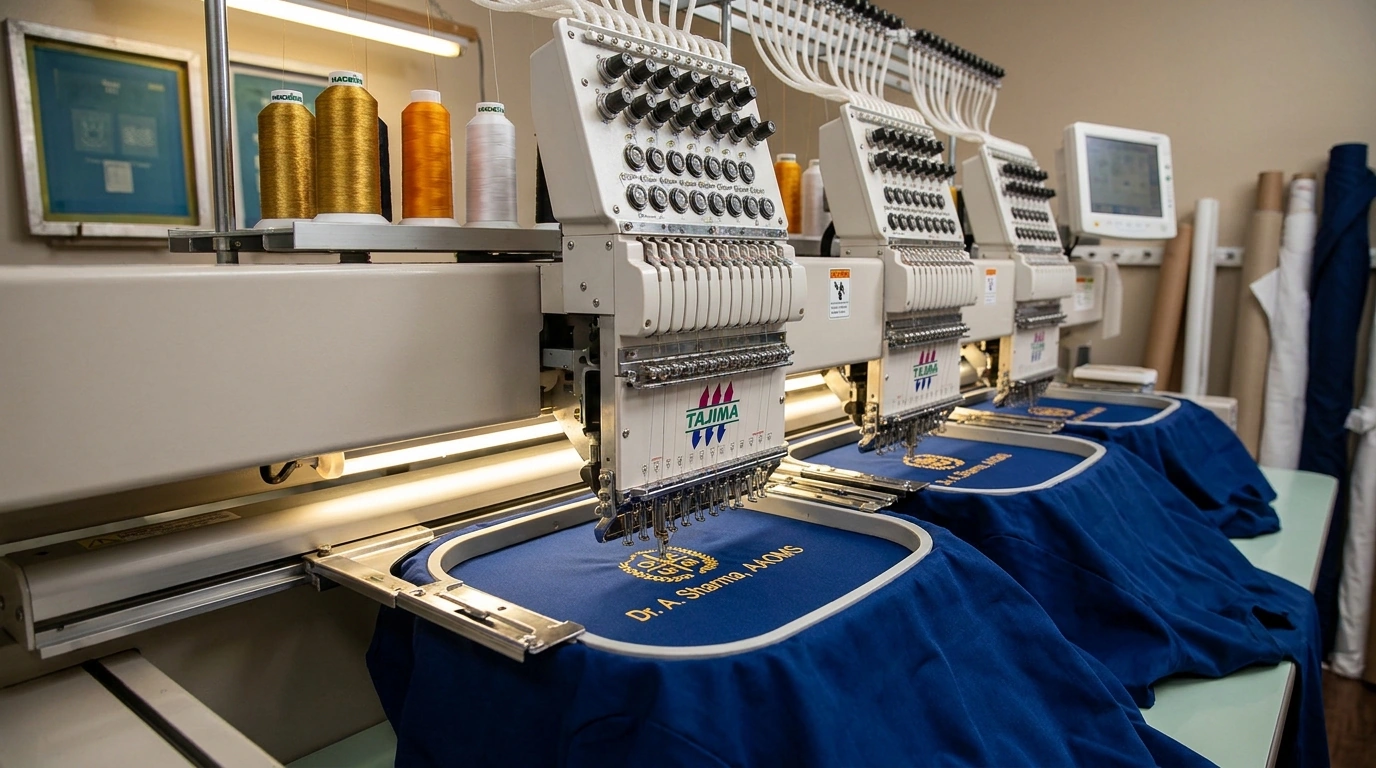
Embroidery is thread stitched into the fabric. It does not peel, crack or fade in the same way a print can. On a chest logo, a sleeve mark or a name, it reads as part of the garment rather than something applied to it.
Print is not the cheaper cousin. It is a different tool. It handles gradients, fine detail, large back graphics and complex artwork that embroidery cannot reproduce cleanly. On a lightweight tee or a one-off event shirt, print is often the right answer.
The decision usually comes down to four questions:
- How long will the garment be worn? Uniforms and polos lean embroidery. Event tees can lean print. - How detailed is the artwork? Fine type and gradients lean print. Simple marks and lettering lean embroidery. - What fabric is it going on? Stretch and textured fabrics need testing before either method is approved. - How many colours and how many pieces? Embroidery cost is driven by stitch count and setup. Print cost is driven by colours and quantity.
There is also a finishing difference. A bad embroidery file pulls the fabric and makes the logo look heavy. A bad print cracks at the edges after a few washes. Both are avoidable with a sample.
We digitise every logo before stitching. That step is not glamorous, but it is the difference between a logo that sits flat and one that fights the fabric.
If you are choosing between print and embroidery, send us the artwork and tell us how the garment will be used. We will recommend the method, not the one that is easier to sell.
[Talk to the embroidery studio](/embroidery)